How Do Varicose Veins Go Away? Natural and Medical Treatments

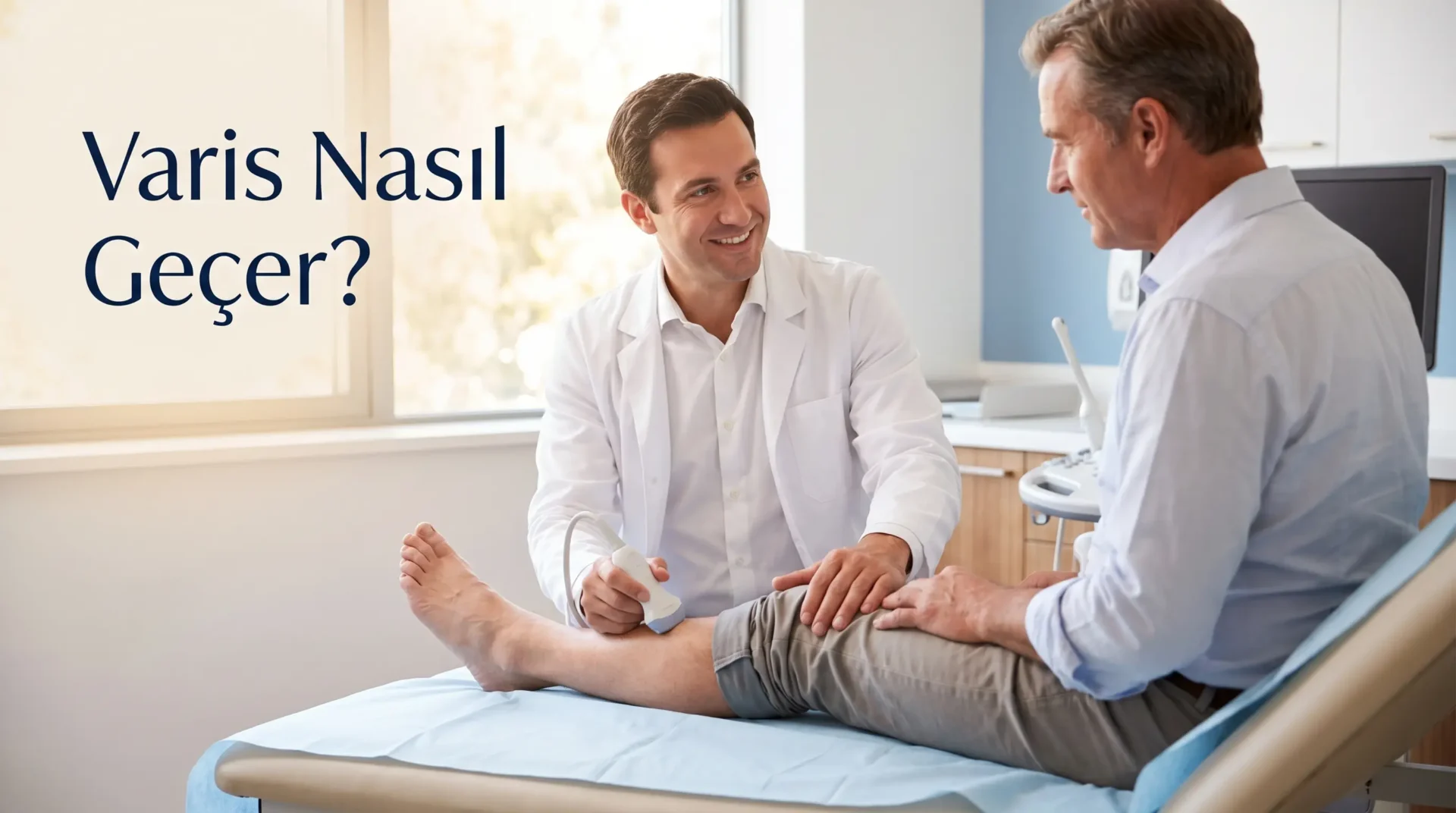
The first question a patient asks me in my clinic is often not the name of a treatment, but its outcome: “Doctor, will these varicose veins go away?” Behind this question are people who have struggled with their legs for years, who have read dozens of conflicting suggestions online, some hopeful and some simply tired. My answer always carries the same honesty: yes, varicose veins can go away, but you need to understand correctly how they go away and what truly counts as “going away”.
In this article I will explain what I have observed in my patients over the years: relieving varicose veins has two separate layers, a natural one and a medical one, and these two do not replace each other. I will go step by step through which method solves what, what works at which stage, and the real answer to the question “do they go away on their own?”. My aim is to give you an accurate roadmap instead of false hope or unnecessary fear.
Do Varicose Veins Go Away on Their Own?
I need to give a clear answer here: an established varicose vein does not go away on its own. Varicose veins are rooted in the failure of the one-way valves inside the vein. Once a valve becomes incompetent, there is no mechanism to repair it. Blood that should be pumped toward the heart instead pools in the leg under the effect of gravity, and the vein gradually widens further.
I explain it to my patients this way: “A rubber band that has lost its elasticity does not return to its original shape by itself.” Lifestyle changes can ease symptoms and slow the disease, but they cannot restore a widened vein with a damaged valve to a healthy state. The NICE varicose veins guideline is clear on this point: visible varicose veins and chronic venous insufficiency do not regress without an intervention.1
Quick Note: The only exception is pregnancy-related varicose veins. Some of the varicose veins that appear during pregnancy partially regress within 3 to 6 months after delivery, as hormonal balance and abdominal pressure return to normal. There is no need to rush a permanent intervention during this period. Complaints that do not recede still warrant a vascular evaluation.
How Do Varicose Veins Go Away? A Two-Layer Process
The biggest source of confusion in my patients’ minds is treating natural methods and medical methods as alternatives to each other. In reality, they are two different layers of the same process.
The first layer is relieving symptoms. The heaviness, pain, evening swelling and tired feeling in the leg are reduced considerably with the right lifestyle measures. This layer improves the patient’s daily quality of life, but it does not heal the vein itself.
The second layer is removing the vein that causes the varicose vein. Medical methods that close or remove the damaged vein are the real meaning of the word “going away”. This is where the source of the disease is treated. A correct treatment plan uses both layers together: first it relieves the symptom, then it solves the source.
Natural and Lifestyle Methods That Relieve Symptoms
For patients who do not yet need surgery, or who are preparing for medical treatment, I give the following recommendations. None of these make varicose veins “go away”, but they noticeably improve quality of life and slow progression.
- Medical compression stockings: A stocking in the correct class (usually Class 1 or 2), in the correct size, put on in the morning before getting out of bed, supports venous return from the outside. Cochrane reviews show that compression reduces symptoms and swelling.2 I always remind my patients that the stocking does not treat the disease, it only supports the leg.
- Regular walking and calf exercises: The calf muscles act as a “second heart” in venous circulation. A brisk 30 to 40 minute walk per day, ankle movements and toe raises activate the venous pump.
- Elevating the legs: Raising the legs above heart level for 15 to 20 minutes in the evening directs the blood that has pooled during the day back toward the heart. It is a simple but effective way to quickly reduce swelling and the feeling of heaviness.
- Avoiding long periods of immobility: Standing or sitting for long periods increases venous pooling. For those who must do this because of their job, I recommend a 2 to 3 minute movement break every 30 to 45 minutes.
- Weight control and salt restriction: Excess weight raises intra-abdominal pressure, and excess salt triggers edema. Both worsen varicose vein symptoms. A balanced diet and approaching an ideal weight lower the severity of symptoms.
In early-stage patients (while visible complaints are still mild) these methods alone can provide years of comfortable life. However, once varicose vein symptoms become prominent, that is, when pain, swelling and skin changes are added to the picture, natural methods are no longer enough.
Medical Methods That Truly Make Varicose Veins Go Away
The real answer to the question “how do varicose veins go away” is under this heading. Today the majority of varicose vein treatment is done without surgery, under local anesthesia, and as a day procedure. Classic surgery (stripping) now comes onto the agenda only in very selected cases. Below I summarize the methods I most often apply in my clinic.
| Method | How It Works | Which Vein | Recovery |
|---|---|---|---|
| Endovenous Laser (EVLA) | A laser fiber placed inside the vein closes it with heat. The closed vein is gradually absorbed by the body. | Source vein (saphenous vein) insufficiency | Walking the same day, return to daily life in 1 to 2 days |
| Radiofrequency Ablation (RFA) | The vein wall is closed by controlled heating with radiofrequency energy. | Source vein insufficiency | Similar to EVLA, fast return |
| Sclerotherapy | A medication (foam or liquid) injected into the vein irritates it and causes it to close. | Capillary and medium-caliber surface veins | Daily life immediately after the procedure, sessions may be repeated |
| Ambulatory Phlebectomy | Prominent surface varicose vein clusters are removed through millimeter-sized incisions. | Large varicose clusters near the surface | Usually in the same session as EVLA, fast healing |
| Classic Surgery (Stripping) | The incompetent vein is surgically tied and removed. | Selected, advanced or recurrent cases | Longer recovery, general or spinal anesthesia |
Which method is applied depends on which vein in the leg is affected and at what level. That is why a color Doppler ultrasound is mandatory before treatment. Any procedure performed without identifying the incompetent source vein means incomplete treatment and sets the ground for varicose veins to recur. I have detailed the advantages of laser varicose vein treatment in a separate article; for patients who fear surgery, my article on non-surgical varicose vein treatment may also be a useful guide.
For international patients: Many patients travel for varicose vein treatment in Turkey, where modern endovenous methods are widely available and performed as day procedures. You can find detailed information about the treatment options on our dedicated page.
What Does “Going Away” Mean by Stage?
Something I always tell my patients: without knowing what stage the varicose vein is at, the question “will it go away” cannot be answered soundly. The same question is asked by an early-stage patient and an advanced-stage patient, but the answer differs.
| Stage | Picture | What “Going Away” Means at This Stage |
|---|---|---|
| Early stage | Capillary veins, mild heaviness, no prominent visible varicose vein | Symptoms are controlled with lifestyle measures and, if needed, sclerotherapy |
| Middle stage | Prominent twisted veins, pain, evening swelling | By closing the source vein the varicose vein largely “goes away”; treatment gives the best result at this stage |
| Advanced stage | Skin changes, brown pigmentation, risk of venous ulcer | The vein is treated, but permanent marks on the skin may not fully disappear; the goal is to stop progression |
The lesson from this table is this: the earlier a varicose vein is evaluated, the more complete the “going away” is. In patients who present after skin changes have begun, we treat the vein and the complaints recede, but it is not always possible to undo the mark left by years. That is why taking early signals such as varicose vein pain and evening swelling seriously directly determines the outcome of treatment.
Do Varicose Veins Come Back After Treatment?
I often hear the sentence “I was treated, then they appeared again” in my clinic. This is not a failure of the treatment method, but most often the result of an incomplete evaluation. When the source vein is correctly identified and closed, the same region becoming varicose again decreases significantly.
Still, varicose veins are a chronic disease with an underlying tendency (genetic predisposition, occupation, hormonal factors). The treated vein does not reopen, but a new insufficiency may develop in another region. I have discussed the reasons and ways to prevent this in my article on why varicose veins return. Regular follow-up and maintaining lifestyle measures are the most important protective shield after treatment.
Which Method Suits Whom?
The right method is determined by the patient’s age, occupation, the stage of the varicose vein, and the structure of the affected vein. The questions I ask when deciding in the clinic are:
- How long has the complaint existed and how is it progressing? Rapidly progressing pictures require earlier intervention.
- Is there source vein insufficiency on Doppler ultrasound? If there is, the source is closed first; if not, surface methods such as sclerotherapy come to the fore.
- How much is the patient’s daily life affected? In those who stand for long periods because of their job, treatment priority rises.
- Are there accompanying diseases? A clotting disorder, pregnancy or advanced age changes the choice of method and the timing.
These questions show that there is no single “best method” read online. Every leg tells its own story, and the treatment plan is built according to that story. Evaluating all of the varicose vein treatment options together with the patient is the most critical step of the process.
Frequently Asked Questions
Do varicose veins go away with medication?
No. Drugs called venotonics can partially ease symptoms such as pain and swelling by supporting the tone of the vein wall, but they do not close a widened vein. Medication is a supporting part of treatment, not the treatment itself.
Do herbal methods or creams make varicose veins go away?
Creams and herbal products may give a temporary feeling of relief on the skin, but they cannot reach the valve insufficiency inside the vein. The only way to make varicose veins go away is to close or remove the damaged vein.
Do varicose veins go away completely with exercise?
Exercise activates the venous pump, eases symptoms and slows the progression of the disease. However, it does not remove an established varicose vein on its own. Exercise is protective and supportive, not curative.
How quickly does treatment give results?
An endovenous laser or radiofrequency procedure usually takes 30 to 45 minutes, and the patient walks home the same day. The fading of visible veins and the full regression of complaints occur within a few weeks.
Is treatment painful?
Modern methods are performed under local anesthesia and significant pain is not expected during the procedure. There may be mild tightness or bruising for a few days afterward, which also resolves in a short time.
Do varicose veins reappear after they go away?
The treated vein does not reopen. However, in people with a genetic predisposition, a new insufficiency may develop in another region over time. Measures such as regular follow-up and compression stockings reduce this risk.
Final Word
Varicose veins can go away, but the meaning of the word “going away” must be set correctly. Natural methods relax your leg, raise your quality of life and slow the disease; medical methods solve the problem at its source by removing the vein that causes the varicose vein. These two are not rivals, but two links of the same treatment plan.
What I see every day in the clinic is this: a varicose vein evaluated early usually goes away with a 30 to 40 minute procedure performed without surgery. A varicose vein left late turns into a struggle that lasts years. If you have heaviness, pain or visible veins in your legs, I recommend clarifying your situation with a color Doppler ultrasound, without losing time on creams and guesses. International patients can review all options for varicose vein treatment in Turkey on our dedicated page. A correct diagnosis is half of the correct treatment.
Op. Dr. Onur Üstünel
Cardiovascular Surgery Specialist
References
- National Institute for Health and Care Excellence (NICE). Varicose veins: diagnosis and management. Clinical guideline CG168. https://www.nice.org.uk/guidance/cg168
- Shingler S, Robertson L, Boghossian S, Stewart M. Compression stockings for the initial treatment of varicose veins in people without venous ulceration. Cochrane Database of Systematic Reviews. https://pmc.ncbi.nlm.nih.gov/articles/PMC7173741/
- Gloviczki P, et al. The Care of Patients With Varicose Veins and Associated Chronic Venous Diseases. Society for Vascular Surgery and American Venous Forum clinical practice guidelines. Journal of Vascular Surgery. https://www.jvascsurg.org/article/S0741-5214(11)00111-6/fulltext
- U.S. National Library of Medicine, MedlinePlus. Varicose Veins. https://medlineplus.gov/varicoseveins.html
- Türk Kalp ve Damar Cerrahisi Derneği. Periferik Arter ve Ven Hastalıkları Ulusal Tedavi Kılavuzu 2021. https://www.tkdcd.org/content/887/periferik-arter-ve-ven-hastaliklari-ulusal-tedavi-kilavuzu-2021