
Lemon Treatment for Varicose Veins at Home: What Actually Works?
Can lemon really treat varicose veins at home? A vascular surgeon explains what science says about lemon water, home remedies and when professional treatment becomes necessary.

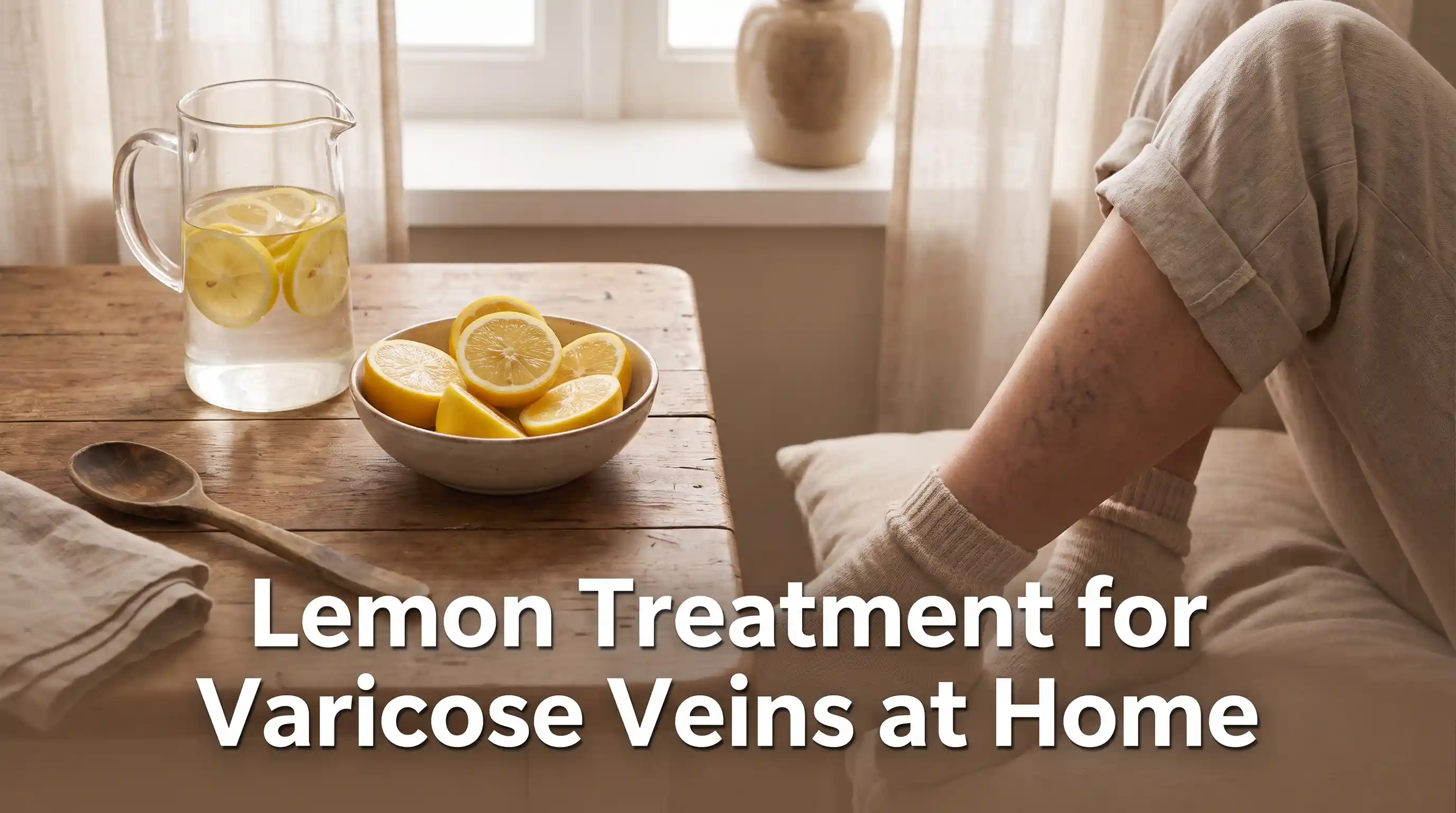
As a vascular specialist, one of the most common questions I hear from international patients is whether a simple ingredient like lemon can actually treat varicose veins at home. It is a fair question. Lemon shows up in wellness blogs, family recipes and social media reels as a solution for everything from swollen ankles to bulging veins. Before you spend weeks on a home routine that may not deliver, I want to share what the science actually says, where lemon can play a supportive role, and where a professional intervention becomes necessary.
This guide is written for readers who are exploring conservative options first. If you are considering professional varicose vein treatment in Turkey, understanding what home remedies can and cannot do will help you make a clear decision.
What Varicose Veins Actually Are
Varicose veins are enlarged, twisted superficial veins that most often appear on the legs. They develop when the tiny one-way valves inside your veins weaken or fail. Instead of pushing blood upward toward the heart, the vein pools blood downward under gravity. Over time the vein wall stretches, becomes visible under the skin and can cause aching, heaviness, night cramps or itching.
According to the UK NHS clinical overview, roughly one in three adults develops varicose veins at some point, with a strong genetic component. That genetic tendency is the reason your grandmother, mother and aunt may all share the same pattern of veins on their calves.
The Real Question: Can Lemon Treat Varicose Veins?
Let me answer directly. Lemon cannot reverse a varicose vein. Once a vein wall has stretched and the internal valve has failed, no citrus fruit, essential oil or dietary tweak can restore the valve function or shrink the vein back to normal. This is a structural problem, not a chemical one.
However, lemon is not useless in the picture. It contains meaningful amounts of vitamin C, flavonoids such as hesperidin, and antioxidants that support the connective tissue in vein walls. The NIH Office of Dietary Supplements notes that vitamin C is required for the synthesis of collagen, which is the main structural protein in blood vessels. In other words, lemon can be part of a vein-friendly diet, but it works on the supporting cast rather than on the vein itself.
Where Lemon May Offer Modest Support
- Collagen production: Vitamin C is a cofactor in collagen synthesis, which contributes to vessel wall integrity.
- Antioxidant activity: Flavonoids in citrus peel may reduce oxidative stress in vein tissue.
- Hydration habit: A glass of warm water with lemon in the morning encourages daily fluid intake, and better hydration helps circulation.
- Mild anti-inflammatory effect: Some patients report that lemon-based tonics take the edge off heaviness at the end of the day.
Where Lemon Cannot Help
- It will not close a refluxing saphenous vein.
- It will not remove visible bulging veins on your calf or thigh.
- It will not stop new varicose veins from forming if your genetics and lifestyle push you in that direction.
- Rubbing lemon juice directly on the skin will not shrink veins and may cause photosensitivity in sunlight.
Practical Ways to Use Lemon at Home
If you want to add lemon to your daily routine as part of a broader vein-friendly lifestyle, here is a practical approach that I sometimes suggest to patients who are in the early stages of venous insufficiency.
Morning Lemon Water
Squeeze half a fresh lemon into a glass of room-temperature water and drink it before breakfast. This simple habit does two things. It contributes a small dose of vitamin C, and it reminds you to hydrate before caffeine. Adequate hydration keeps blood viscosity in a healthy range, which is helpful when superficial veins are already under pressure.
Lemon and Olive Oil Massage
Some traditional recipes suggest mixing lemon essential oil with a carrier oil such as olive or almond oil and massaging it into the calves in upward strokes from ankle to knee. The massage itself is what helps most. Manual lymphatic-style stroking assists venous return and can reduce that heavy, tired feeling. The lemon oil adds a pleasant aroma and a mild warming sensation, but it is the direction and pressure of the massage that matters. Never apply undiluted essential oil to your skin.
Citrus-Forward Diet
Beyond lemon itself, a diet rich in citrus fruits, berries, leafy greens and buckwheat provides flavonoids like rutin and hesperidin that support venous tone. Micronized purified flavonoid fraction, which is derived from citrus, is actually used as a prescription-strength supportive therapy in some European countries for chronic venous disease.
Home Habits That Genuinely Help
Lemon is only one small piece of the puzzle. The habits below have stronger evidence behind them and are what I recommend to every patient regardless of whether they end up needing a procedure.
- Walk daily. The calf muscle is your second heart. Walking activates the muscle pump that pushes venous blood upward.
- Elevate your legs. Fifteen minutes with your legs above heart level in the evening reduces pooling and swelling.
- Wear medical-grade compression stockings. Class I or II compression is the most evidence-based conservative measure available.
- Avoid prolonged standing or sitting. Take a walking break every 30 to 45 minutes.
- Maintain a healthy weight. Extra abdominal pressure worsens venous return from the legs.
- Cool showers on the legs. Alternating warm and cool water at the end of a shower may improve vein tone temporarily.
The MedlinePlus patient resource from the U.S. National Library of Medicine lists these lifestyle measures as first-line self-care, and they align with what I see working in my own patients.
When Home Remedies Are No Longer Enough
Home care has clear limits. If you notice any of the following, it is time to schedule a duplex ultrasound and a proper vascular assessment.
- Bulging ropey veins that are growing or spreading
- Persistent aching, throbbing or night cramps
- Ankle swelling that does not improve overnight
- Skin discoloration or brownish patches near the ankle
- Itching or eczema over a visible vein
- A hardened, tender vein that feels warm to the touch
- Any open sore or wound that will not heal
These signs point to chronic venous insufficiency, and no amount of lemon water will reverse them. Modern treatments such as endovenous laser ablation, radiofrequency ablation, foam sclerotherapy and cyanoacrylate glue closure are minimally invasive, walk-in walk-out procedures that address the failed vein directly. Patients typically return to normal daily activity within 24 to 48 hours.
What International Patients Should Know
I see patients from Europe, the Middle East and North Africa who have tried home remedies for months or even years before seeking a procedure. The pattern is usually the same. Home care reduces symptoms mildly but the veins continue to progress. By the time they arrive at the clinic, we are often dealing with more advanced disease than we needed to.
My honest advice is to use lemon and lifestyle habits as ongoing support, not as a stand-alone cure. If your veins are still small and mostly cosmetic, conservative care can hold the line for a while. If the veins are already bulging or symptomatic, book a duplex ultrasound sooner rather than later. A single 30-minute scan tells us exactly which vein is failing and what the right procedure would be.
Understanding the Anatomy: Why Veins Fail in the First Place
To appreciate why lemon or any single ingredient cannot cure varicose veins, it helps to understand what is actually happening inside the leg. Your veins carry deoxygenated blood back to the heart against gravity. To make this possible, the deep veins in your calf and thigh contain small bicuspid valves every few centimeters. Each time the calf muscle contracts during walking, blood is pushed upward through these valves. When you relax, the valves snap shut so blood cannot fall back down.
In venous insufficiency, the valve leaflets no longer close completely. Blood leaks backward, pools in the superficial veins closer to the skin, and stretches those veins outward. This is what creates the visible bulging pattern you see on the calf or behind the knee. No food, drink or topical cream can rebuild a valve leaflet once the mechanical failure has occurred. This is why an accurate diagnosis with duplex ultrasound is so important. It shows us exactly which valve is leaking and how much reflux time is present.
Why Home Remedies Are So Popular Anyway
Home remedies for varicose veins have deep cultural roots across Turkey, the Mediterranean and the Middle East. Lemon, apple cider vinegar, olive oil and horse chestnut have been passed from grandmothers to daughters for generations. There are two reasons these remedies persist. First, they do provide mild symptomatic relief. Massage, elevation, hydration and antioxidant-rich foods all reduce the discomfort of aching or heavy legs. Patients notice the relief and attribute it to the remedy. Second, the alternatives have historically been intimidating: open surgery under general anesthesia with long recovery times. Home care felt safer.
Today, that calculation has changed. Modern endovenous procedures are performed under local anesthesia, take about 45 minutes, and let you walk out of the clinic. The fear that kept previous generations relying on kitchen remedies is no longer justified. That said, I never dismiss traditional remedies outright. When they are safe and complement medical care, I encourage patients to continue what feels supportive.
A Realistic Weekly Routine
If you want a structured way to combine lemon and other conservative measures, here is a weekly routine that many of my early-stage patients follow.
- Every morning: Warm water with fresh lemon before breakfast, followed by five minutes of ankle circles and calf raises.
- During work hours: Compression stockings on if you stand or sit for long periods, walking break every 45 minutes.
- Every evening: Ten to fifteen minutes with legs elevated above heart level. A pillow under the calves is enough.
- Twice a week: Gentle upward calf massage with diluted lemon or rosemary essential oil in olive oil after a warm shower.
- Every meal: Include at least one flavonoid-rich food such as citrus fruit, berries, dark leafy greens or buckwheat.
- Weekly: Track any new visible veins with a photo of your calves. This helps you and your doctor notice progression.
This routine is realistic, sustainable and evidence-informed. It will not eliminate existing varicose veins, but it will help you manage symptoms and slow progression while you decide on the next step.
Frequently Asked Questions
Does drinking lemon water every day cure varicose veins?
No. Lemon water is a healthy habit and provides vitamin C for collagen support, but it does not repair failed vein valves or eliminate existing varicose veins.
Can I rub lemon juice directly on my varicose veins?
I do not recommend it. Direct application of lemon juice can irritate skin and cause photosensitivity, meaning your skin can burn more easily in sunlight. It also does not shrink veins.
Are there any home remedies that actually reverse varicose veins?
None that have been validated in clinical trials. Compression, elevation, exercise and weight management slow progression and relieve symptoms, but they do not close a refluxing vein. Only a medical procedure can do that.
How do I know if my varicose veins are serious?
Warning signs include swelling that persists overnight, skin darkening near the ankle, tender hardened veins, itching over a vein and any non-healing wound. These require a vascular assessment.
Is professional varicose vein treatment painful?
Modern endovenous procedures are performed under local anesthesia. Most patients describe mild pressure rather than pain, and they walk out of the clinic the same day.
How long does professional treatment last?
Endovenous ablation has a durable closure rate above 95 percent at five years for the treated vein. New veins can develop over the course of a lifetime, but the treated vein stays closed.
Can I combine home remedies with a professional procedure?
Yes, and I encourage it. Compression, walking, elevation and a citrus-rich diet all support your recovery and help prevent new veins from becoming symptomatic in the future.
Final Word
Lemon is a lovely, healthy ingredient. It supports collagen, encourages hydration and belongs in a vein-friendly diet. It is not a cure for varicose veins, and no honest specialist will tell you otherwise. Use it as part of your daily routine, combine it with compression and movement, and see a vascular doctor when the veins themselves need attention. That combination gives you the best long-term outcome.
Dr. Onur Ustunel, MD
Cardiovascular Surgeon, Varicose Vein Specialist