What Are the Advantages of Laser Varicose Vein Treatment?

What Is Endovenous Laser Treatment (EVLT)?
In my vascular surgery practice, one of the most common questions I hear from patients is: “Doctor, do I really need surgery for my varicose veins?” Thanks to modern minimally invasive techniques, the answer in most cases is no. Endovenous laser treatment (EVLT) has revolutionized how we approach varicose vein treatment, offering patients a faster, safer, and more comfortable alternative to traditional surgery1.
In this article, I’ll walk you through the key advantages of laser varicose vein treatment based on both my clinical experience and current medical literature.
How Does Laser Varicose Vein Treatment Work?
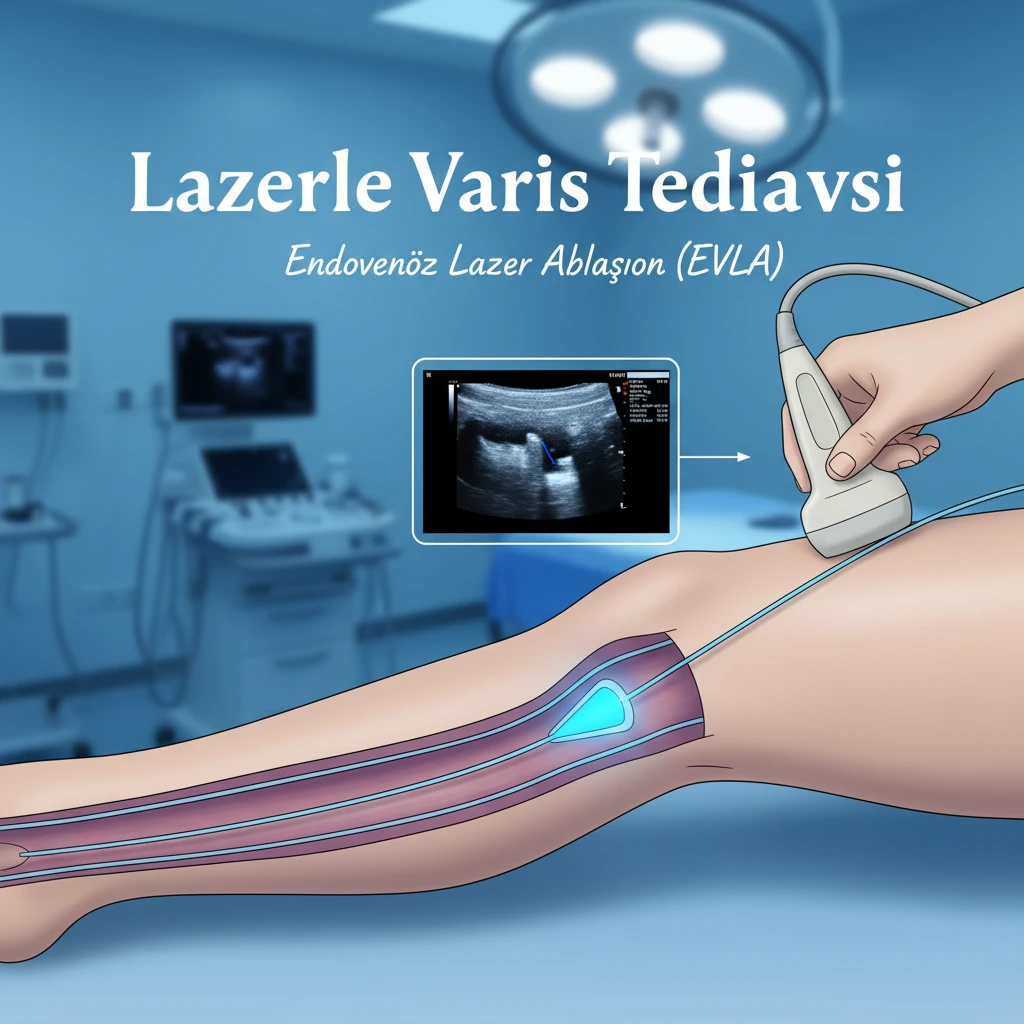
EVLT works by inserting a thin laser fiber into the damaged vein under ultrasound guidance. The laser energy heats the vein wall, causing it to collapse and seal shut. Over time, the body naturally absorbs the closed vein, and blood flow is redirected to healthy veins nearby.
The entire procedure typically takes 30-60 minutes and is performed under local (tumescent) anesthesia. No general anesthesia, no hospital stay, patients walk out of the clinic the same day.
I often tell my patients: “Think of laser treatment as a precision tool. We’re sealing off only the problematic vein while preserving everything else. Your circulation actually improves because blood is no longer pooling in a damaged vessel.”
8 Key Advantages of Laser Varicose Vein Treatment
1. No Surgery Required
Unlike traditional vein stripping, EVLT requires no incisions, no stitches, and no general anesthesia. A single needle puncture is all it takes. This dramatically reduces both the procedure time and recovery period.
2. Outpatient Procedure
The treatment is performed entirely on an outpatient basis. Most of my patients return to their normal activities within 1-2 days. There’s no need for hospitalization or extended bed rest.
3. High Success Rates
Clinical studies consistently demonstrate success rates of 93-98% for EVLT in treating the great saphenous vein2. These results are comparable or superior to traditional surgical stripping, with significantly less discomfort.
4. Minimal Pain and Discomfort
Most patients report only mild discomfort during and after the procedure. The tumescent anesthesia numbs the treatment area effectively, and post-procedure pain is usually manageable with over-the-counter painkillers.
5. Faster Recovery
Return to work: 1-2 days. Return to exercise: 1-2 weeks. Compare this to traditional surgery, which often requires 2-4 weeks of recovery. My patients consistently tell me how surprised they are by how quickly they bounce back.
6. Excellent Cosmetic Results
Since there are no surgical incisions, scarring is virtually nonexistent. The tiny puncture site heals within days, leaving no visible mark. For patients concerned about the appearance of their legs, this is a significant advantage.
7. Lower Complication Rates
Compared to traditional surgery, EVLT carries significantly lower rates of infection, nerve damage, and deep vein thrombosis3. The precision of laser energy means less trauma to surrounding tissues.
8. Long-Term Effectiveness
Five-year follow-up studies show recurrence rates of only 5-10% for EVLT, which is comparable to or better than surgical stripping4. When recurrence does occur, it can usually be treated with a repeat procedure or sclerotherapy.
EVLT vs. Traditional Surgery: A Comparison
| Criteria | Laser Treatment (EVLT) | Traditional Surgery (Stripping) |
|---|---|---|
| Anesthesia | Local (tumescent) | General or spinal |
| Procedure time | 30-60 minutes | 1-2 hours |
| Hospital stay | None (outpatient) | Often 1 day |
| Return to work | 1-2 days | 2-4 weeks |
| Scarring | None | Multiple incision scars |
| Success rate | 93-98% | 85-95% |
| Recurrence (5 yr) | 5-10% | 10-25% |
Who Is a Good Candidate for Laser Treatment?
EVLT is most effective for:
- Great saphenous vein insufficiency
- Small saphenous vein insufficiency
- Symptomatic varicose veins causing pain, swelling, or heaviness
- Patients who want to avoid traditional surgery
It may not be suitable for very tortuous veins, extremely superficial veins, or patients with certain medical conditions. A thorough evaluation with Doppler ultrasound is essential before determining the best treatment plan.
What to Expect After Laser Treatment
The post-procedure period is straightforward:
- Compression stockings should be worn for 1-2 weeks as directed
- Walking is encouraged immediately, in fact, I ask patients to walk for 30 minutes right after the procedure
- Avoid heavy lifting, hot baths, and prolonged standing for 2 weeks
- Follow-up ultrasound is typically performed at 1 week and 1 month
Frequently Asked Questions
Is laser varicose vein treatment painful?
Most patients experience only mild discomfort. The tumescent anesthesia effectively numbs the area during the procedure. Afterward, mild soreness or tightness along the treated vein is normal and resolves within a few days.
How long does the procedure take?
The procedure itself takes 30-60 minutes. Including preparation and post-procedure observation, plan for about 2 hours total at the clinic.
Can varicose veins come back after laser treatment?
The treated vein is permanently sealed. However, new varicose veins can develop in other vessels over time, especially if risk factors (prolonged standing, genetics, obesity) persist. Regular check-ups help detect any new problems early.
Is laser treatment covered by insurance?
In many cases, EVLT for symptomatic varicose veins is covered by health insurance. Cosmetic treatment of spider veins may not be covered. We recommend checking with your insurance provider before the procedure.
Can laser treatment and sclerotherapy be combined?
Absolutely. In fact, many patients benefit from a combined approach, EVLT for the main saphenous vein and sclerotherapy for smaller tributary veins and spider veins. This combination often provides the best overall results.
For international patients: If you are considering varicose vein treatment in Turkey, our İzmir clinic performs EVLT, radiofrequency ablation and combined sclerotherapy under hospital-grade conditions. Full procedure details, recovery timeline and pricing are available on our laser veins removal treatment Turkey page.
References
- National Institute for Health and Care Excellence (NICE). “Varicose veins: diagnosis and management.” Clinical guideline CG168. NICE
- Rasmussen LH, et al. “Randomized clinical trial comparing endovenous laser ablation and stripping of the great saphenous vein.” British Journal of Surgery. 2011.
- van den Bos RR, et al. “Endovenous therapies of lower extremity varicosities: A meta-analysis.” Journal of Vascular Surgery. 2009;49(1):230-239.
- Rass K, et al. “Same-site recurrence is more frequent after endovenous laser ablation compared with high ligation and stripping.” Journal of Vascular Surgery. 2015.
- Society for Vascular Surgery (SVS). “Clinical Practice Guidelines for Varicose Veins.” J Vasc Surg